
Teaching Good Sportsmanship
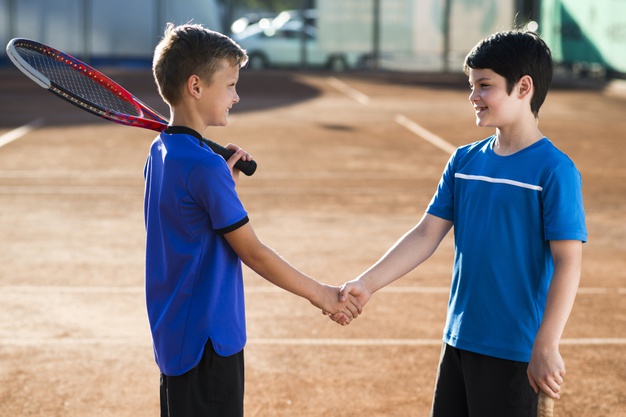

Parenting Tips for Teaching Good Sportsmanship.
It’s important teaching good sportsmanship to kids and learning the value of integrity. “You don’t win silver. You lose gold.” That’s the sour message of a sneaker advertisement that aired on TV during the Atlanta Olympics.
Such omnipresent multimedia messages combined with a “winning is everything” philosophy embraced by increasing numbers of parents and coaches – makes it harder than ever for adults to teach kids that it’s not whether you win or lose, but how you play the game that’s important.
It’s not surprising that the rise in bad sportsmanship — and outrageous behavior in professional sports has resulted in a parallel increase of poor sportsmanship (e.g., trash-talking, violence) in youth sports. Regardless of whether we caution our kids to NOT idolize professional athletes who behave badly, kids will continue to be influenced by the behavior of the pros.
How can you instill in your child the importance of good sportsmanship and offset the “win at all costs” philosophy? Both parents and coaches can start by focusing on these issues to teach good sportsmanship and life skills:
Some examples to Teaching Good Sportsmanship
- Be Your Child’s Role Model. Offer praise and encouraging words for all athletes, including your child’s opponents. Never openly berate, tease, or demean any child athlete, coach, or referee while attending a sporting event. When attending athletic events or watching them on TV with your child, refrain from criticizing or condemning athletes’ performances. During the Olympics, what messages are you sending your child if you honor only athletes from the United States, while rooting against athletes from all other countries? Let your child see you enjoy the sports and athletic activities that you play, modeling the philosophy that you don’t always need to win or be the best to enjoy playing sports.
- Do You Have A Hidden Agenda? Be honest with yourself about why you want your child to play organized sports. What do you want her to gain from the experience? Are your intentions based on providing her with pleasurable, social activities that develop a better sense of self-worth, skills, and sportsmanship? Or do you harbor dreams of her turning her topspin forehand into a collegiate scholarship, or riches and fame? A child’s participation in sports and the importance attached to it should not be driven by a parent’s desire to use her child’s sports accomplishments for ulterior purposes.
It’s your responsibility to teach good sportsmanship
- You Set the Rules. It’s ultimately your responsibility to teach good sportsmanship to your children, both as a participant and as a spectator. If you observe your child engaged in poor sportsmanship, regardless of whether his coach corrects him or not, you must discuss your child’s misbehavior and insensitivity with him after the game. If a coach is ignoring, allowing, or encouraging poor sportsmanship, you need to make your objections known to the coach in a private discussion.
- Watching and Learning. Whether you’re watching the Olympics on TV or attending a high-school sporting event, you can always find “teachable moments” regarding sportsmanship. Ask your child her opinions of: players who showboat and taunt their opponents; the costs to the team of a technical foul, or being ejected from a game for unsportsman-like conduct; and the appropriate behavior of opposing players toward one another after a game. During these “teachable moments” ask her open-ended questions and listen more than you talk or lecture.
Tips for Coaches

Coaches nurture good sportsmanship. They should embody parents’ values regarding good sportsmanship. A coach must model good sportsmanship at every level and make it a core goal of his work with kids.
I recommend that every youth sports coach engage his players in a detailed discussion of good sportsmanship as soon as he forms his team. A written contract, perhaps titled The Good Sportsmanship Code, should be given to every child and his parent to sign. The contract should spell out what the coach expects from each player in terms of good sportsmanship, including the following areas:
- Cheating
- Losing one’s temper
- Negative criticism of teammates, coaches, referees, and opposing players
- Blaming teammates for mistakes or a poor team performance
- “Trash talk” and taunting opponents
- Showboating
- Arguing referees’ calls and judgments
- The need to congratulate one’s opponents after a game
Coaching children is an honor and a privilege that carries with it a moral responsibility to contribute to the healthy character development of young players. Coaches who equate “trying your best” as the definition of success — and who value, expect, and demand good sportsmanship from their players — help shape the moral, ethical, and spiritual character of children.
Communicate often with your child’s coach to make sure he takes this responsibility seriously.
Additional Reading: article from Parent.com
Sore Loser
Share This Article!
About the Author: Yvonne Wonder