Want to avoid Ruff times while traveling? Follow this guide
Traveling with your dog, made simple
Why planning ahead matters for stress-free trips
If your goal is to travel by car/plane with a dog without drama, you’re in the right place. This guide gives you practical, safety-first planning for domestic travel, from buckling up in the car to navigating airline pet policies and settling into a pet-friendly hotel. We’ll walk through checklists, timelines, and a simple hotel routine—plus when hotel pet-sitting can help your itinerary stay on track. Destination Sitters offers family-minded support for trips; Destination Sitters helps families and planners arrange babysitting, wedding childcare, event childcare and pet sitting, with calm, reliable coordination.
How Destination Sitters supports pet parents on the road
Whether you’re road-tripping or catching a flight, a little prep goes a long way. We’ll cover car restraints and rest stops, cabin vs. cargo decisions, TSA screening, and hotel setup. You’ll also find packing lists and quick answers so you can travel with confidence and keep your dog’s routine front and center.
Key takeaways
Quick-start checklist: travel by car/plane with a dog
The essential steps at a glance
Use this as your 60-second pre-trip scan
Run this list the night before and again as you head out. It’s designed to cover both car and air basics in under a minute.
Prep timeline: what to do 2–3 weeks, 72 hours, and day-of
2–3 weeks out: acclimation, vet, and documents
72–24 hours out: packing and confirmations
Day-of: calm routine, feeding window, and exercise
Car travel with dogs: safe setups and smooth stops
Restraints and placement: harness, crate, and seat choice
Secure your dog in a crash-tested car harness attached to vehicle anchors or a secured crate placed in the rear seat area or cargo space (in SUVs with tie-downs). This keeps your dog safer, reduces driver distraction, and helps everyone relax. If using a harness, ensure a snug, comfortable fit; if crating, pad the floor and keep ventilation clear. Windows can be cracked for airflow, but keep heads inside—flying debris can injure eyes and ears.
On-the-road rhythm: stops, water, and heat/cold safety
Plan rest stops every 2–3 hours for a short walk, water, and a potty break. Offer small sips rather than large gulps to reduce nausea. Use sunshades or a cooling mat in warm weather, and keep an eye on temperature changes—cars can heat up or cool down quickly. Avoid leaving your dog unattended in a vehicle; conditions can become unsafe faster than expected.
Managing motion sickness and anxious travelers
Gradual acclimation helps many dogs. Start with short drives and build up. Keep the car well ventilated, avoid strong scents, and place the crate where your dog can feel stable. If your dog is prone to nausea or anxiety, speak with your vet about options and suitability of any supplements. Calm music and familiar bedding can also reduce stress.
Air travel with dogs: cabin vs. cargo and what to expect
Cabin vs. cargo decisions and breed/size considerations
Cabin travel is typically limited to small dogs in an airline-approved soft-sided carrier that fits under the seat. Larger dogs may need to travel as checked or cargo, using an IATA-compliant crate, sized for safe standing and turning around. Policies vary by airline and can include breed restrictions or seasonal temperature rules—review your carrier’s published pet policy before you book.
Booking smart: flights, temperatures, and layovers
Choose direct flights when you can to shorten the journey. In hot or cold seasons, early morning or late evening flights may help avoid temperature extremes. Build in extra time at the airport for check-in and screening, and carry all documents where you can reach them easily.
Airport and TSA screening with a dog
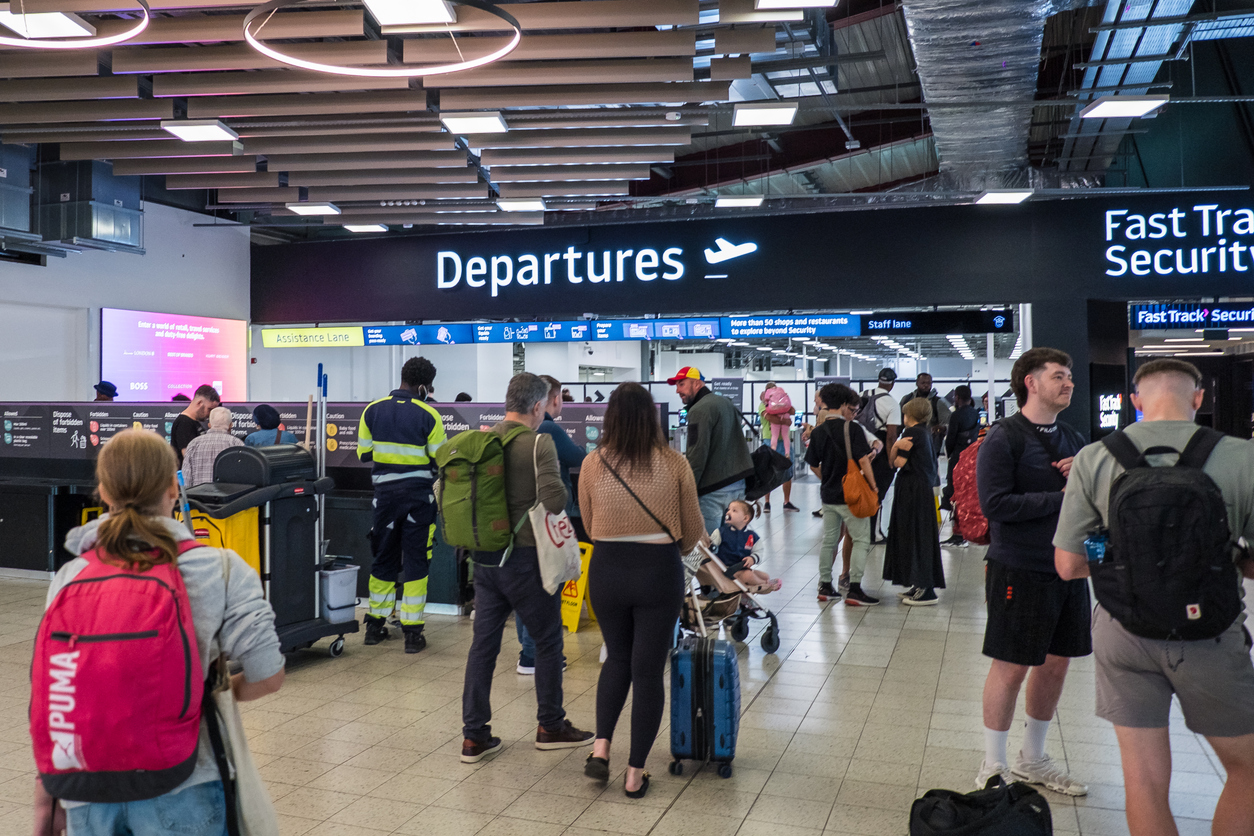
At security, you’ll remove your dog from the carrier, walk through the scanner together, and send the empty carrier through X-ray. Expect a brief hand inspection if requested. Arrive early, stay calm, and follow staff guidance. Avoid sedating your dog unless your vet specifically recommends it, as sedation can affect breathing and balance at altitude.
Hotel stay playbook: make the room pet-ready
Set up a quiet corner: crate, mat, and water
Once you arrive, choose a low-traffic corner for your dog’s crate or mat. Add familiar bedding and a toy, set out water in a stable bowl, and keep your suitcase of supplies within reach. Closing curtains can minimize outside triggers.
Housekeeping, potty spots, and minimizing noise
Let the front desk and housekeeping know you have a dog, and coordinate cleaning times when you’ll be present. Locate the nearest potty area and carry waste bags. A white-noise app or TV at low volume can help mask hallway sounds.
Leaving the room: safety steps before you step out
If you plan to step out, crate your dog or arrange trusted hotel pet-sitting. Make sure the collar/ID is on, leave water available, and place a do-not-disturb indicator as allowed by hotel policy. Keep your phone handy for any updates.
A simple, familiar setup helps dogs settle quickly in a new hotel room.
What to pack: car vs. plane dog travel checklist
| Car essentials | Plane essentials |
|---|---|
|
|
Special considerations: puppies, seniors, and anxious dogs
Adjusting schedules for age and stamina
Puppies and seniors often do best with shorter travel segments and more frequent potty breaks. Plan extra buffer time into your itinerary and keep play sessions gentle before you depart.
Gentle desensitization and calming aids
Slow, positive exposure to the crate, car, and hotel environment can help. Familiar scents, a snug vest, or a pheromone spray may take the edge off. Ask your vet about suitability before using any supplements.
When to reschedule or choose ground over air
Extreme temperatures, recent illness, or severe anxiety may be reasons to drive instead of fly or to postpone. Ground travel allows more control over pacing, breaks, and comfort.
Avoid these common mistakes
Why families choose Destination Sitters
Calm coverage when you step out
Stepping out for dinner, a meeting, or the spa? Hotel pet-sitting provides steady, familiar company so your dog isn’t practicing door-watching or barking at hallway sounds. It’s a practical add-on to a safety-first plan.
Front-desk coordination and clear handoff
Coordinators and sitters can meet through the hotel front desk for clarity on room access and check-out notes. Parents typically share feeding routines, walk preferences, allergies, and any medication timing so care stays consistent and calm.
What we ask from pet parents
Leave written routines, emergency contacts, and your hotel and room details. Share any sensitivities (like loud carts or elevators) so the sitter can minimize triggers. Requests depend on availability.
Explore services and submit a request: Ask about Pet-Sitting Services. Learn more about us, read recent reviews, or contact us with questions.
Conclusion
A smoother trip starts with a simple checklist, a secured setup, and a calm routine. Review your airline’s pet policy, plan your rest stops, and give your dog a cozy hotel corner to decompress. If you’d like support while you’re out and about, we’re here to help.
FAQ: travel by car/plane with a dog
How far in advance should I prepare my dog for air travel?
Start 2–3 weeks ahead to confirm airline rules, practice time in the carrier, update ID, and gather vet records. Some carriers have specific paperwork windows.
Is it better to drive or fly with my dog for domestic trips?
Drive if your dog is large, anxious, or new to travel. Fly for time-sensitive trips with small, carrier-trained dogs and favorable temperatures after reviewing airline policies.
What should my dog wear in the car for safety?
Use a secured crate or a well-fitted, crash-tested harness attached to vehicle anchors, ideally in the rear seat area
Can my dog eat before traveling?
Offer a smaller meal several hours before departure and water as needed. Avoid big meals right before you leave to reduce motion sickness risk.
How do I handle TSA screening with my dog?
Remove your dog from the carrier, walk through the scanner with them, and send the empty carrier through X-ray. Arrive early and follow staff instructions.
Can I leave my dog alone in a hotel room?
If allowed, crate your dog and set up a calm environment. Many travelers prefer arranging trusted hotel pet-sitting to avoid stress and noise complaints.
Share This Article!
About the Author: Yvonne Wonder